
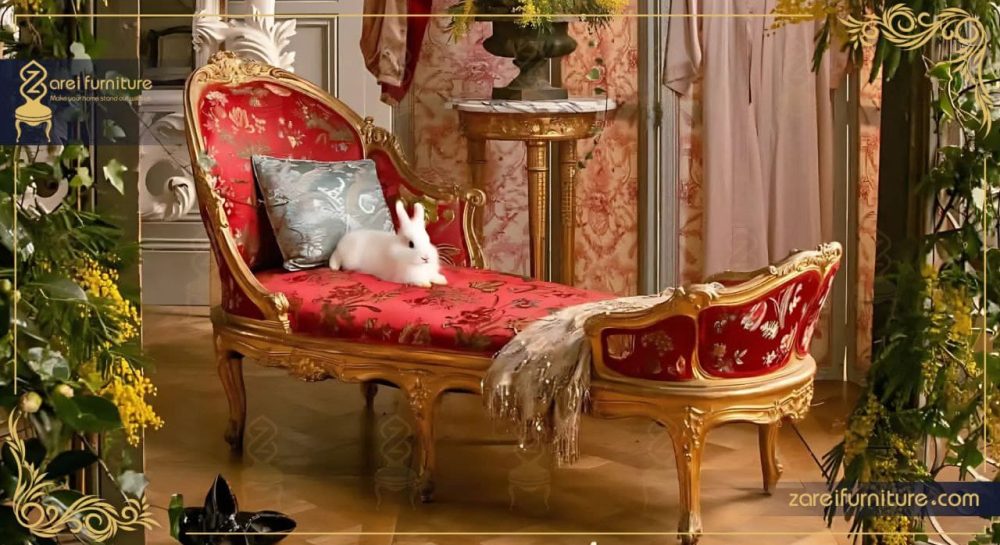
A comprehensive look at the history of the French sofa; exploring Louis XIV, Rococo, Neoclassicism, and their influence on modern luxury interiors. Perfect for lovers of elegance and timeless design.
Brand: Zarei Furniture | Website: zareifurniture.com
Table of Content
- Introduction: The Legacy of the French Sofa
- Why is the French Sofa So Unique?
- The Era of Louis XIV: The Dawn of Grandeur
- Rococo Period: Elegance and Romanticism
- Neoclassical Period: A Return to Order and Symmetry
- The Empire Era: Napoleonic Grandeur
- Transition to Modern Times
- Colors and Materials in French Sofas
- The Global Influence of the French Sofa
- A Closer Look at French Historical Styles
- Cultural and Social Role of the French Sofa
- French Sofas in Today’s Interior Design
- Key Considerations When Buying a French Sofa
- New Trends in French Sofas for 2025
- Influence of French Sofas on Contemporary Design
- Renowned French Craftsmen
- French Sofas Abroad
- Comparison with Other Furniture Styles
- FAQ – Frequently Asked Questions
- Final Conclusion
- References
 Introduction
History of the French Sofa; From Royal Grandeur to Modern Homes
The French sofa has always been more than just a piece of furniture—it is a symbol of sophistication, artistry, and cultural heritage. If you are searching for the epitome of refinement in interior design, the name French sofa will inevitably appear at the top. Originating in the grand palaces of France, this sofa style has influenced interior design across Europe and eventually the entire world.
In this extensive article, we will journey through centuries of design evolution—from the court of Louis XIV, where magnificence defined the French sofa, to modern-day interiors where the same design principles continue to inspire luxurious living.
 Why Is the French Sofa So Special?
The Fusion of Art, History, and National Identity
France has always been a leader in art, fashion, and aesthetics. Just as Paris is celebrated as the global capital of fashion, French craftsmen and designers also left their indelible mark on the world of furniture. The French sofa is not merely a seat—it is a work of art that encapsulates national pride and cultural sophistication.
Distinctive Features of the French Sofa
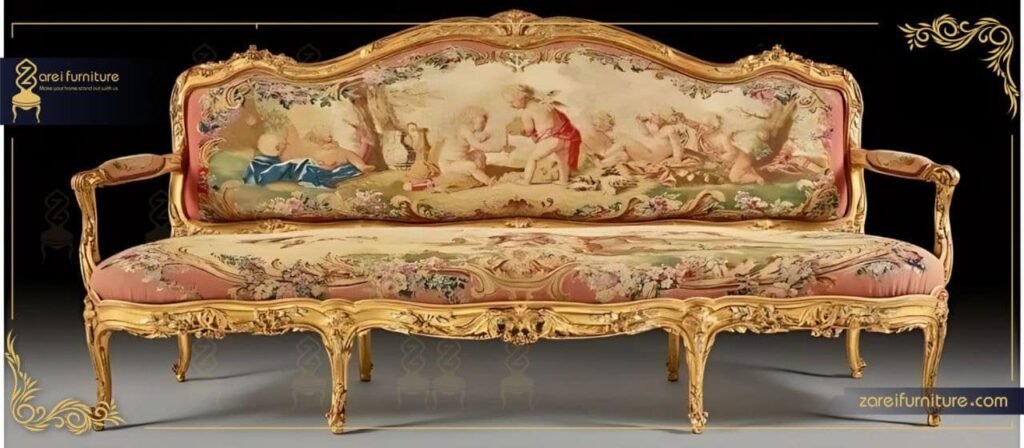
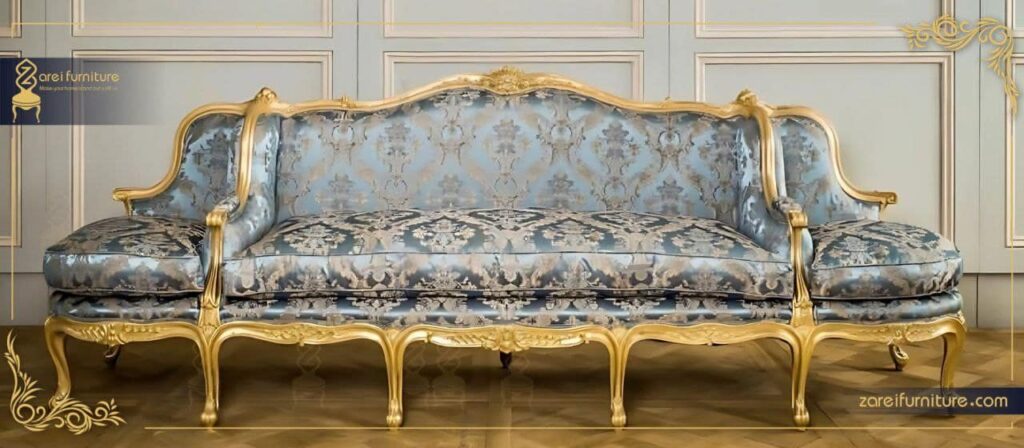
- Intricate hand-carved woodwork with motifs of flowers, cherubs, and seashells
- Use of premium woods like walnut, oak, and beech
- Luxurious upholstery such as velvet, silk, and damask
- Warm and regal colors, often with gilded details
- A balance between comfort and ornate beauty
 The Era of Louis XIV; The Beginning of Grandeur
The Sun King and the Palace of Versailles
The 17th century marks the birth of the French sofa’s grandeur. Louis XIV, known as the “Sun King,” commissioned the building of the Palace of Versailles. This palace quickly became a showcase for the finest artisans, and French sofas were among its crowning achievements.
Characteristics of Louis XIV Style
- Majestic and heavy proportions
- Large-scale sofas designed to display royal power
- Extensive gilding and highly detailed ornamentation
- Mythological and nature-inspired designs
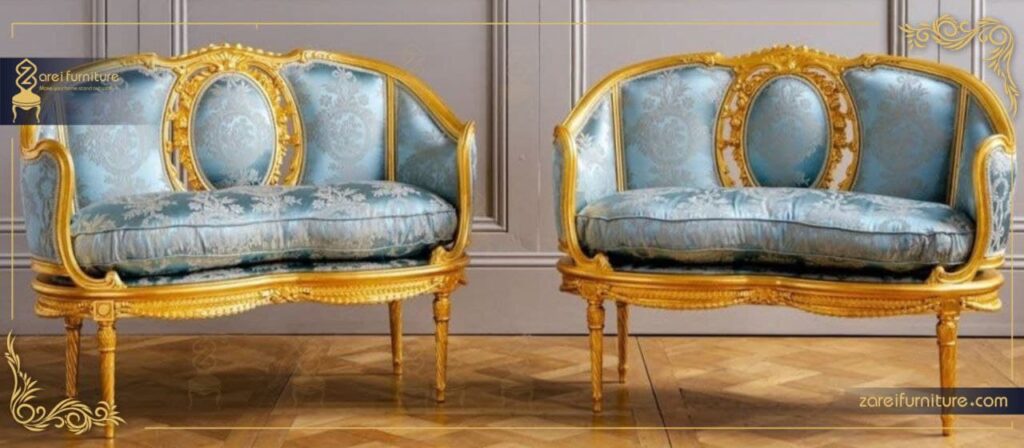 The Rococo Period; The Birth of Elegance and Romance
Louis XV and the Softening of Design
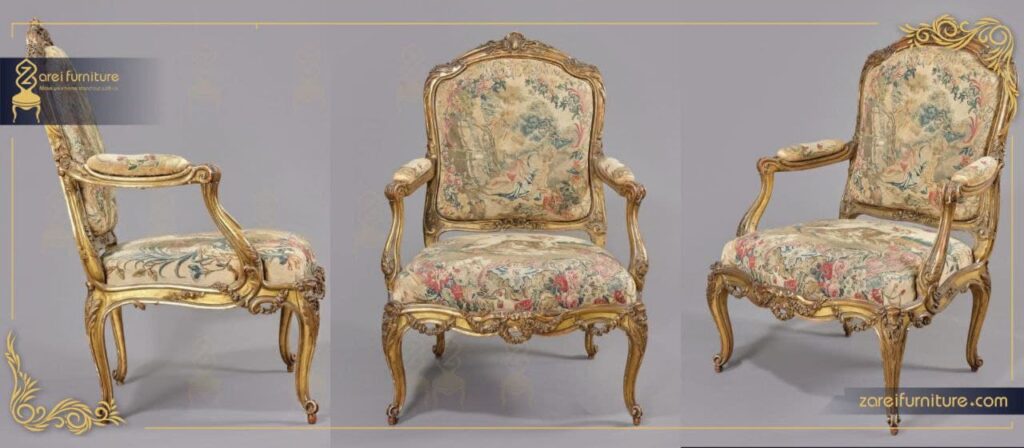
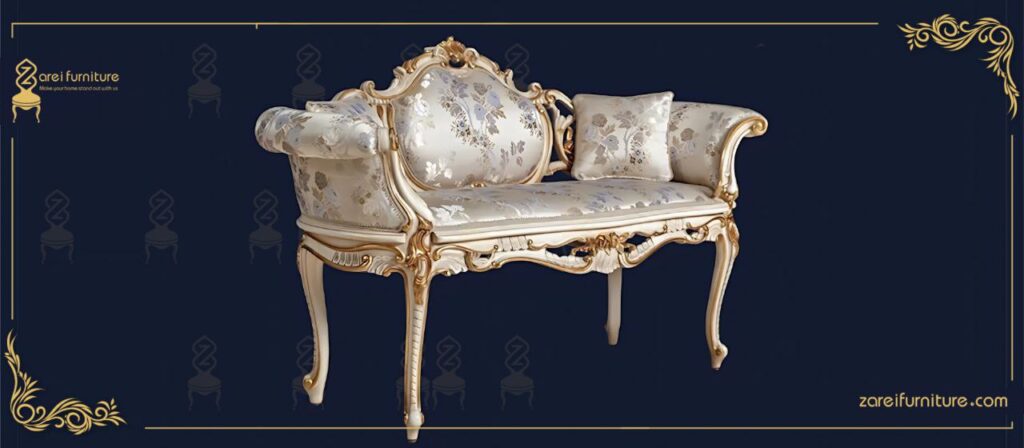
During the 18th century, under the reign of Louis XV, the Rococo style emerged as a reaction against the rigid grandeur of Louis XIV. Instead of rigid lines, Rococo embraced curves, lightness, and intimacy.
Features of Rococo French Sofas
- Graceful, curved silhouettes
- Delicate floral and leaf carvings
- Pastel colors such as soft pink, sky blue, and cream
- A focus on comfort and informal social gatherings
Why Rococo Became Popular
Rococo furniture quickly gained admiration because it created a more intimate and romantic atmosphere. French Furniture in this style were crafted for conversation and leisure rather than formality, making them highly sought after by aristocrats and wealthy families.
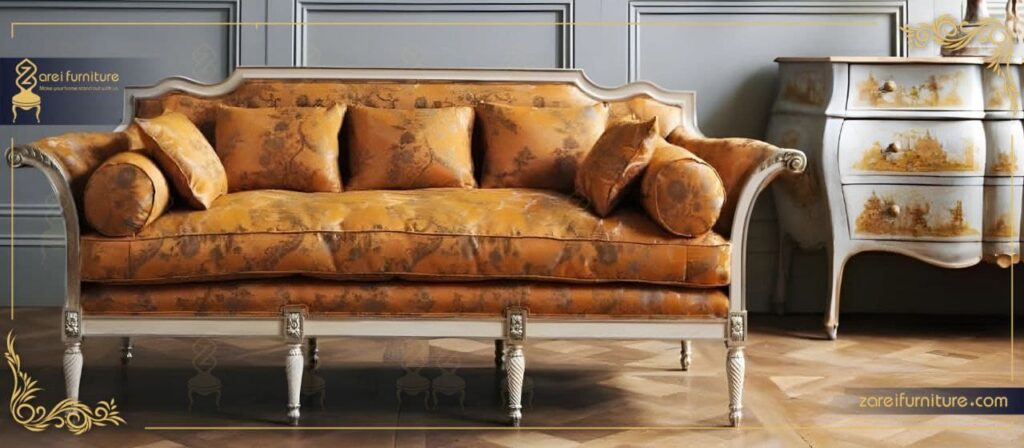 The Neoclassical Era; A Return to Order and Symmetry
Louis XVI and the Classical Revival
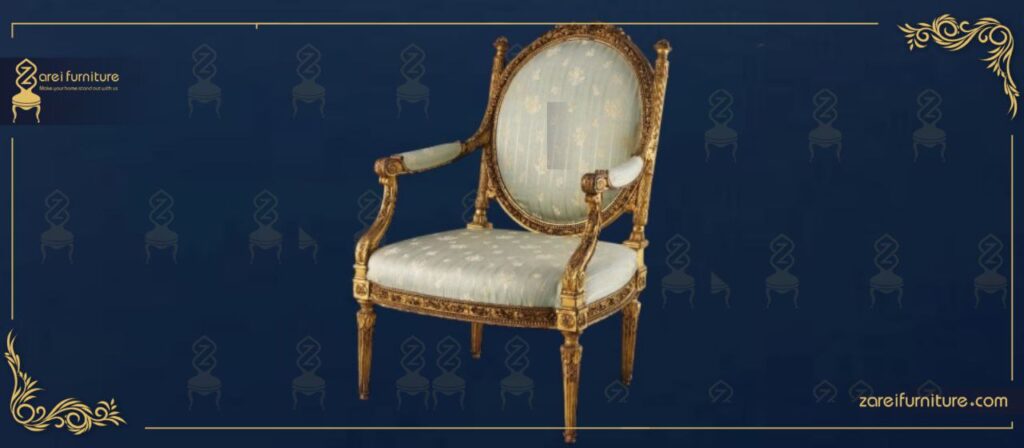
By the late 18th century, a wave of fascination with Roman and Greek antiquity spread across Europe. This gave birth to the Neoclassical French Furniture, characterized by structure, balance, and rational design.
Features of the Neoclassical Style
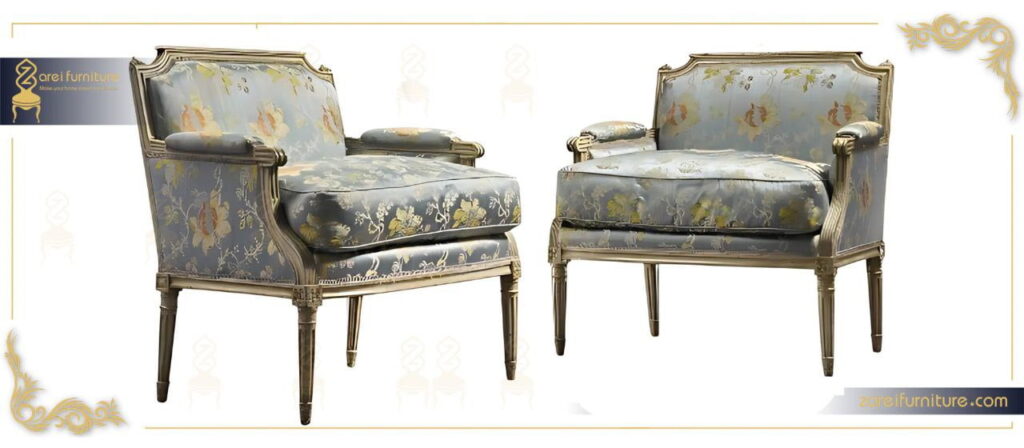
- Cleaner, straighter lines compared to Rococo
- Geometric and symmetrical designs
- Subdued color palettes such as white, gray, and muted gold
- Inspiration drawn from classical columns and architectural motifs
Neoclassical vs. Classic and Modern
The Neoclassical sofa embraced symmetry and elegance reminiscent of earlier classical traditions. However, it was lighter and more practical than Louis XIV pieces. Unlike modern design, it still retained delicate ornamentation, keeping its historic charm intact.
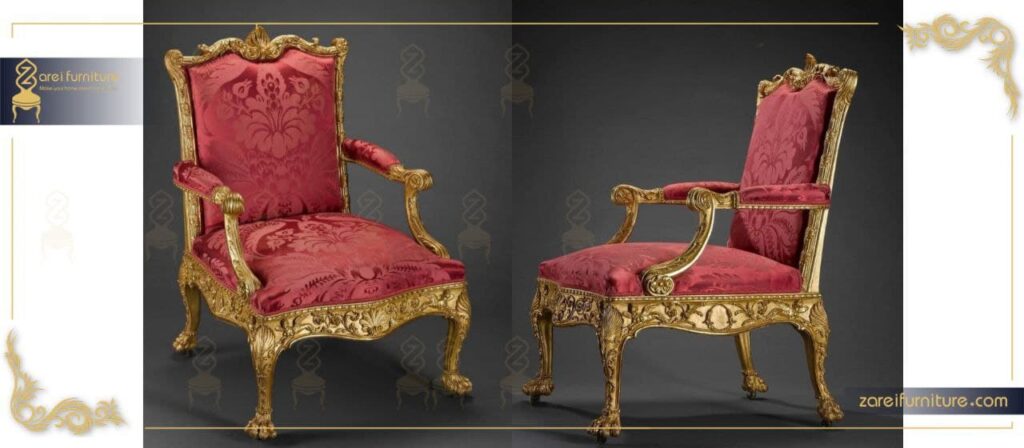 The Empire Period; Napoleonic Splendor
Napoleon I and Imperial Authority
As Napoleon Bonaparte rose to power, France entered the Empire style era. This period was deeply influenced by Roman grandeur and Egyptian motifs, emphasizing power and authority.
Features of Empire Sofas
- Imperial symbols like eagles, laurel wreaths, and pyramids
- Oversized proportions conveying strength
- Darker color schemes with rich velvets
- Strong sense of authority and prestige
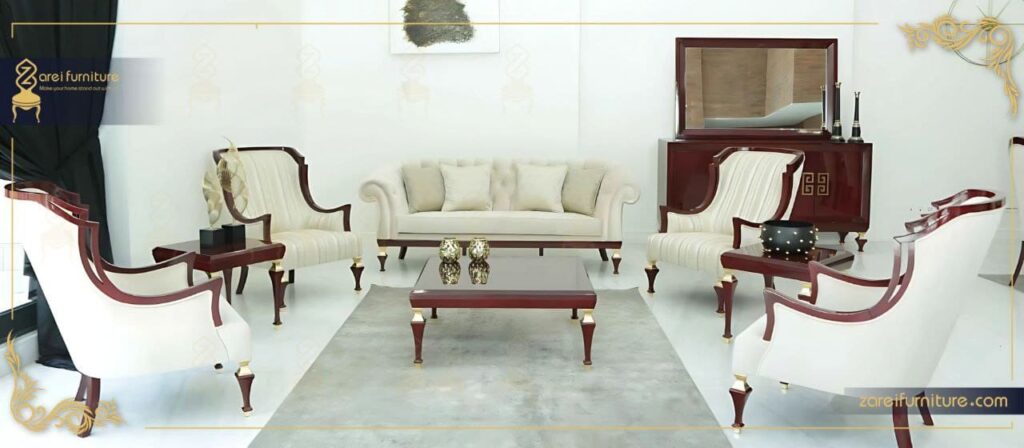 The French Sofa in the Modern World
Adaptation to Contemporary Apartments
Over the centuries, the French Furniture has adapted to changing lifestyles. Today, you can find French-inspired designs that fit perfectly in modern city apartments, blending old-world charm with contemporary practicality.
French Sofas in Modern Neoclassical Design
- Simplified silhouettes enriched with subtle carvings
- Neutral palettes—gray, beige, white—paired with gilded accents
- Use of durable fabrics such as nano-textiles for longevity
Why Is It Still Popular Today?
Because the French Furniture creates a bridge between history and the present—it conveys royal elegance while staying relevant in today’s interiors.
 Colors and Materials in French Sofas
Traditional Colors
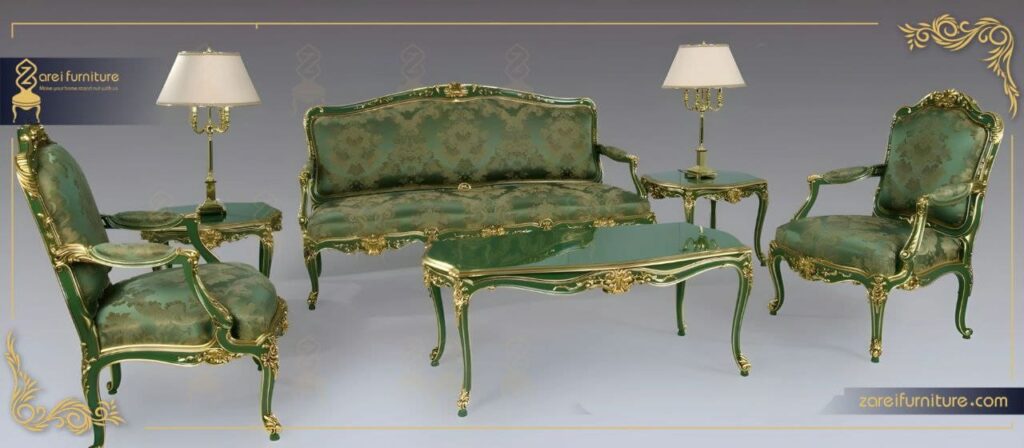
- Rich gold and gilded leaf finishes
- Cream, beige, and ivory
- Deep jade green and navy blue
Modern Colors
- Glossy black with golden accents
- Distressed patinas for a vintage effect
- Natural wood tones combined with light fabrics
Materials
- Solid walnut and beech wood
- Luxurious textiles such as velvet, chenille, and silk
- Brass and bronze fittings for elegance
 The Global Influence of the French Sofa
Europe
Countries like Italy, Spain, and England reinterpreted their local furniture styles by borrowing heavily from French aesthetics. The influence of Rococo and Neoclassical France is visible in many European palaces and aristocratic homes.
The United States
During the 19th century, European immigrants introduced French Furniture to America. Today, French-inspired designs remain popular in luxury villas and hotels across the U.S.
Iran
Iranian culture, known for its love of opulence and elegance, has long admired French furniture. Today, brands such as Zarei Furniture craft localized, luxury versions of the French sofa, blending traditional artistry with French refinement.
 A Closer Look at French Historical Styles
French Baroque Style
Baroque, prominent during Louis XIV’s reign, is one of the most elaborate furniture styles.
- Intricate carvings of flowers, branches, and royal emblems
- Extensive use of gold and regal tones
- Heavy, authoritative forms reflecting royal dominance
This style became the foundation for future developments like Empire and Neoclassicism.
Romantic French Style
By the mid-18th century, furniture began reflecting softer, more emotional aesthetics. Small floral motifs, rounded edges, and pastel tones defined this romantic wave, capturing the cultural shift toward intimacy and personal expression.
 Cultural and Social Role of the French Sofa
A Symbol of Social Status
Owning a French Furniture during the 18th and 19th centuries was a sign of wealth and prestige. Aristocrats commissioned personalized designs to showcase their influence in society.
Influence in Painting and Literature
French Furniture often appeared in European art and literature, immortalized in paintings and novels as symbols of elegance, power, and refined taste.
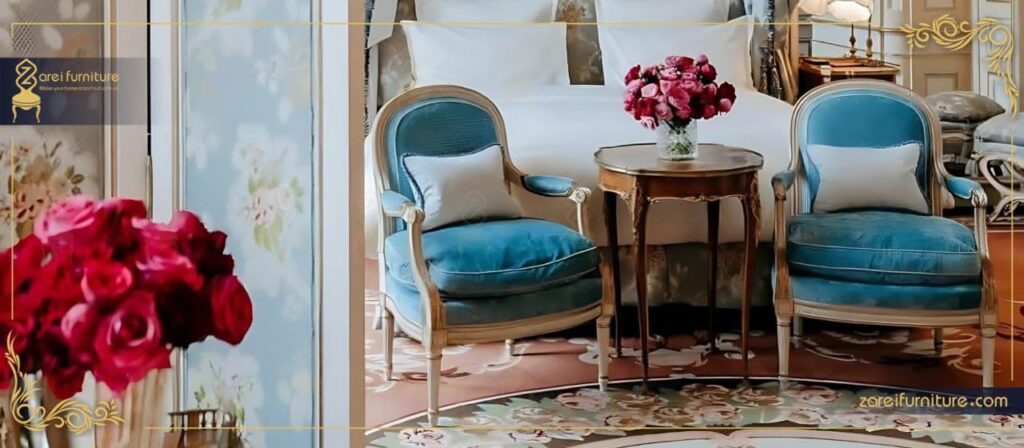 French Sofas in Today’s Interior Design
Modern Homes with Classical Spirit
Designers today combine Neoclassical French Furniture with minimalism to create interiors that are both timeless and contemporary.
Use in Luxury Hotels and Halls
French sofas remain a hallmark in luxury hotels, conference rooms, and elite venues, offering an aura of dignity and splendor.
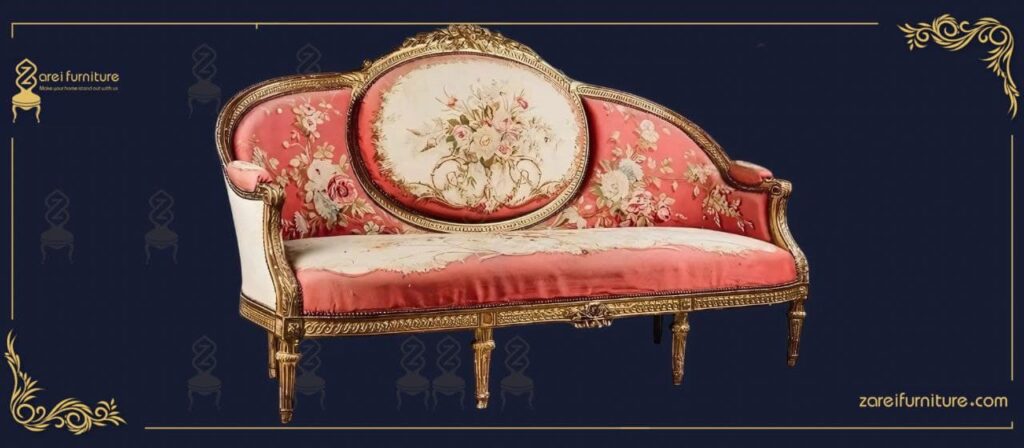 Key Considerations When Buying a French Sofa
How to Distinguish Authentic from Imitation
- Hand-carved details instead of machine-made precision
- High-quality solid wood frames
- Upholstery fabrics of genuine luxury quality
Choosing According to Space
- Small spaces: Half-sets of Neoclassical French sofas
- Large salons: Complete Classic or Empire-style sets
The Role of Trusted Brands
Brands like Zarei Furniture offer authentic French-inspired sofas with premium materials, ensuring both luxury and durability.
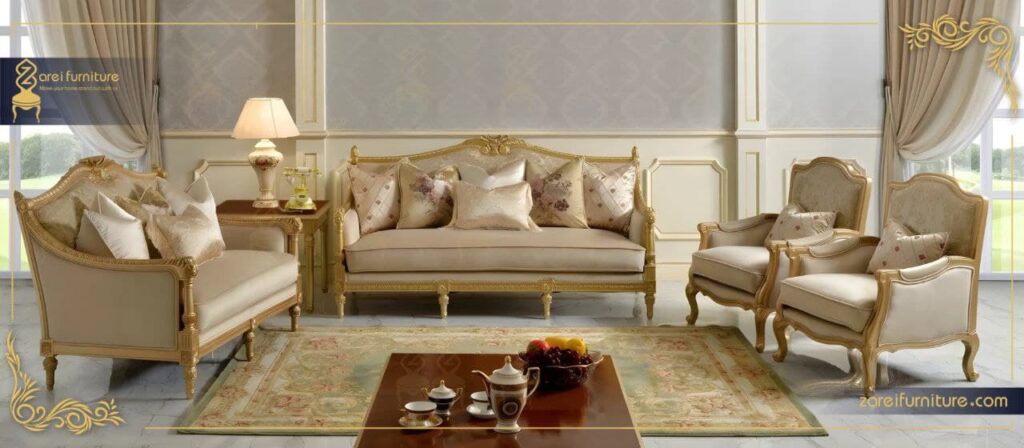 New Trends in French Sofas for 2025
Colors
- Glossy black with gilded highlights
- Antique patinas for a timeless feel
- Natural wood finishes paired with plush velvets
Design Directions
- Slimmer legs with carved details
- Fusion of traditional wood with contemporary metals
- Stain-resistant and nano-textiles for daily use
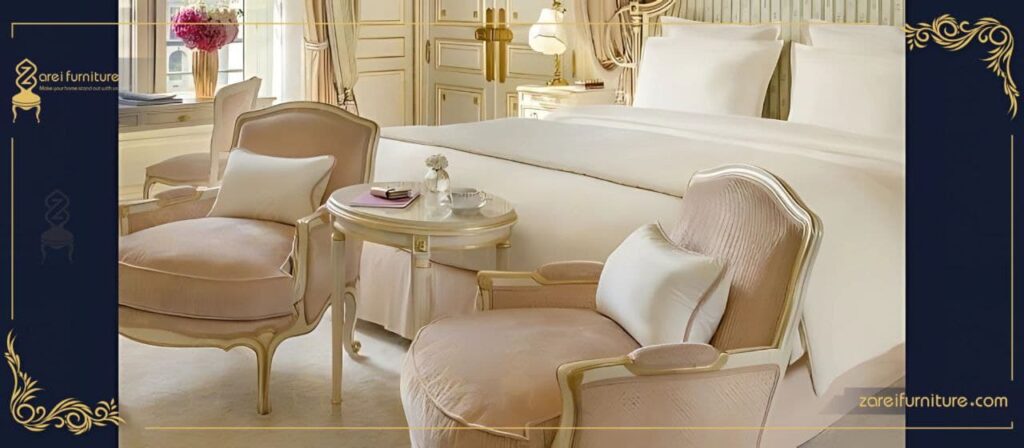 Impact of French Sofas on Contemporary Design
Presence in Iranian Homes
Despite cultural differences, French sofas have always resonated with Iranian households that value elegance. Many interior designers blend French aesthetics with Persian architecture for a unique result.
Inspiration for Modern Global Brands
Contemporary luxury brands still borrow from French design heritage.
While simplified, the Rococo and Neoclassical lines remain strong inspirations.
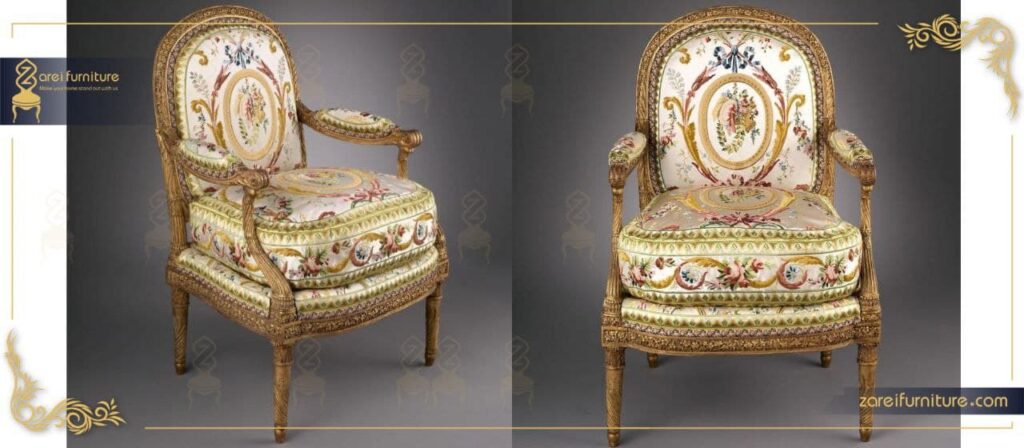 Renowned French Craftsmen
André-Charles Boulle
The celebrated royal cabinetmaker under Louis XIV, Boulle revolutionized French furniture with his famous Boulle marquetry, a combination of wood, bronze, and tortoiseshell.
Jean-Henri Riesener
Court carpenter for Marie Antoinette, Riesener produced iconic Rococo pieces that exemplified delicacy and grandeur.
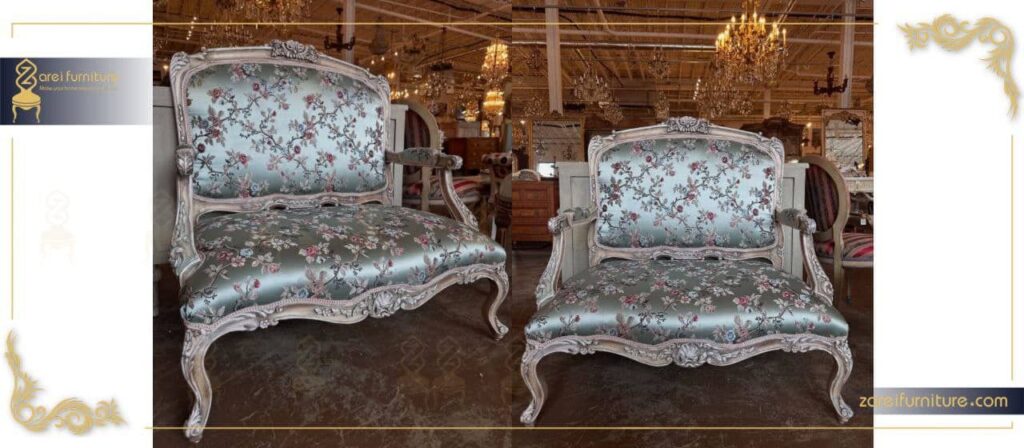 French Sofas Abroad
Russia
The Russian tsars admired French sofas, decorating their palaces in Saint Petersburg with Rococo and Neoclassical pieces.
England
While maintaining their own traditions like the Chesterfield, the English nobility also adopted French-inspired sofas to enrich their estates.
Spain and Italy
Although Italy had a strong furniture tradition of its own, French styles—particularly Rococo—managed to infiltrate Italian palaces. Similarly, Spanish royalty embraced the refined artistry of French sofas.
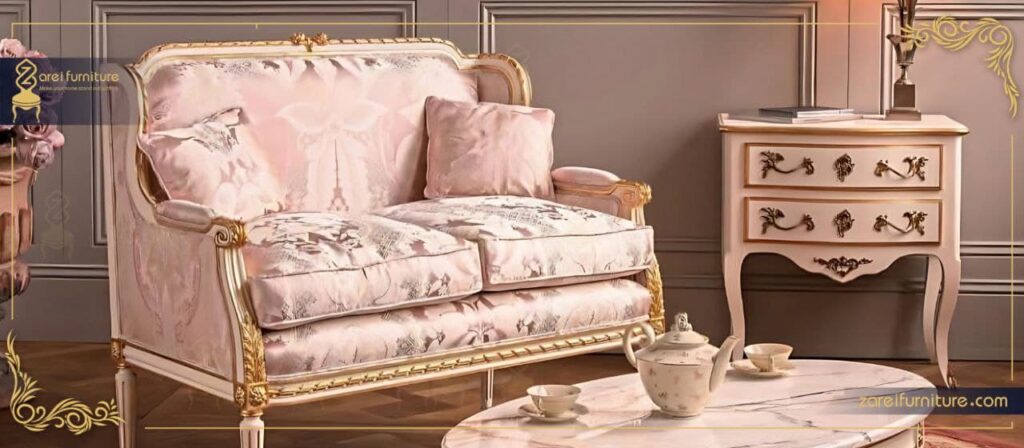 Comparison with Other Styles
French vs. Italian Sofas
- French sofas: Delicate carvings, refined gold tones
- Italian sofas: Heavier, more robust, with bolder ornamentation
French vs. English Sofas
- French sofas: Aimed at beauty and prestige
- English sofas: Focused on practicality and daily comfort
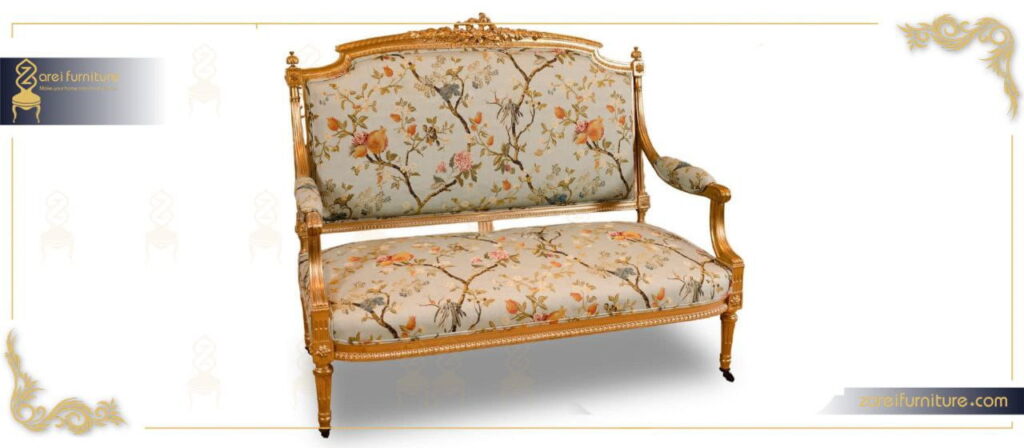 FAQ – Frequently Asked Questions
What kind of homes suit French sofas best?
French sofas are perfect for large homes and formal salons. However, Neoclassical half-sets can be a chic option for apartments.
Are French sofas suitable for everyday use?
While Classic and Empire pieces were designed mainly for display, Rococo and modern Neoclassical sofas are both elegant and comfortable enough for daily use.
How much does a French sofa cost?
Prices vary depending on style, material, and brand. Reputable names such as Zarei Furniture provide options for different budgets without compromising on authenticity.
Final Conclusion
The French sofa is not simply furniture—it is an enduring cultural legacy. Across centuries, it has embodied artistry, social prestige, and timeless luxury. Today, the allure of French sofas continues, attracting design enthusiasts who seek a blend of elegance and history in their interiors.
At Zarei Furniture, we proudly draw inspiration from this heritage. By blending French artistry with fine Iranian craftsmanship, we create luxury sofas that bring the grandeur of Versailles into modern homes. Each piece reflects both the royal essence of French history and the high standards of contemporary design.
Choosing a French Furniture is not just about comfort—it is a statement of taste and distinction.
References
- Blakemore, R. (2019). History of French Furniture. Paris Art Press.
- Zarei Furniture Design Archives – www.zareifurniture.com



