
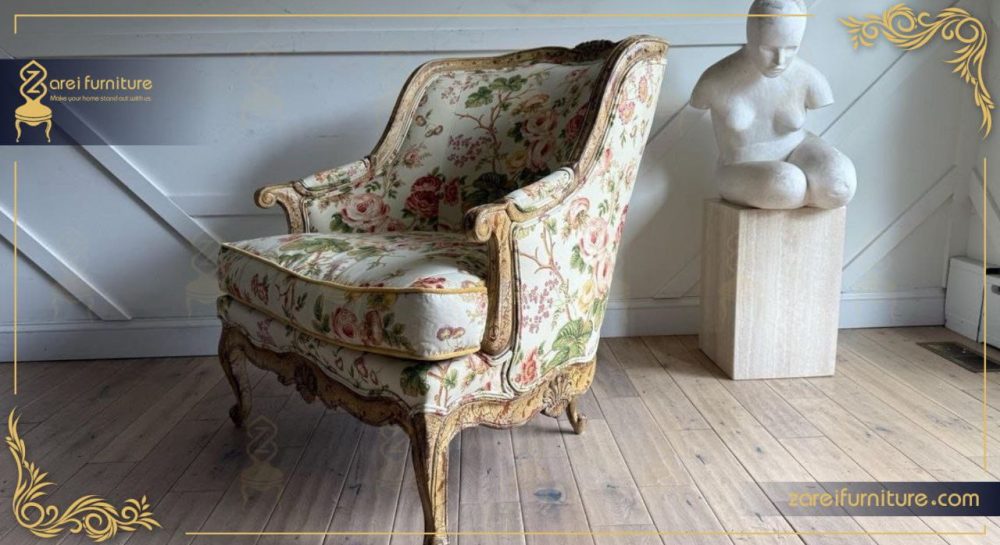
Complete guide to classic sofa repair with damaged seating and fabric. Explore restoration steps, fabric options, costs, and Zarei Furniture’s expert services to restore elegance and comfort to your classic sofas.
Brand: Zarei Furniture | Website: zareifurniture.com
Table of Content
- Introduction
- Why Choose to Repair a Classic Sofa Instead of Replacing It?
- Common Types of Seat and Fabric Damage in Classic Sofas
- Step-by-Step Guide to Repairing Classic Sofa Seats
- Step-by-Step Guide to Repairing Classic Sofa Fabric
- Tools and Materials Required for Classic Sofa Repair
- Challenges in Classic Sofa Repair
- Case Studies
- Cost Breakdown of Classic Sofa Repair
- Professional vs DIY Classic Sofa Repair
- Advanced Upholstery Techniques for Classic Sofas
- Choosing the Best Fabric for Classic Sofa Repair
- Refinishing and Repairing the Wooden Frame
- Time-frame for Classic Sofa Repair
- Eco-Friendly Aspects of Sofa Repair
- Customer Testimonials (Inspired by Real Experiences)
- Cost Comparison – Repair vs New Purchase
- Mistakes to Avoid in Classic Sofa Repair
- Maintenance Tips After Repair
- The Role of Professional Workshops
- The Future of Classic Sofa Repair
- Frequently Asked Questions (FAQ)
- Conclusion
- References
 Introduction
Classic sofas are more than just furniture. They represent heritage, craftsmanship, and timeless elegance. Over the years, however, daily use leads to worn-out seats, sagging cushions, torn fabric, or faded upholstery. Many homeowners face the dilemma of whether to replace their classic sofa or repair it. The good news is that classic sofa repair is not only possible but often far more cost-effective than buying a new set.
In this guide, we will explore every stage of repairing classic sofas with seat and fabric damage. From identifying the type of damage, choosing the right materials, to working with professional repair workshops, this article covers everything you need to know.
 Why Choose to Repair a Classic Sofa Instead of Replacing It?
Emotional Value
Classic sofas are often passed down through generations. Repairing them means preserving memories and family heritage.
Cost Efficiency
Repairing a classic sofa usually costs 40–60% less than purchasing a new one.
Quality and Craftsmanship
Classic sofas are often handmade with high-quality wood and intricate carvings. These features are rare in mass-produced modern furniture.
 Common Types of Seat and Fabric Damage in Classic Sofas
Seat Damage
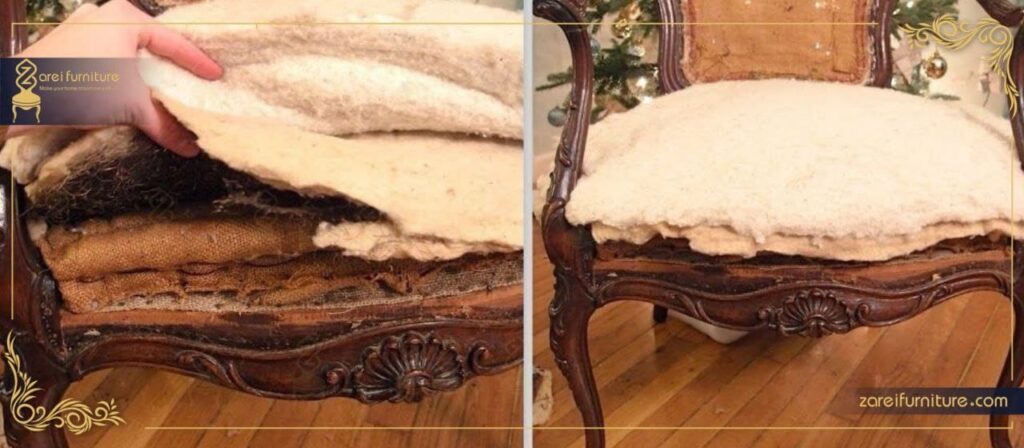
- Sagging Cushions: Caused by worn-out foam or stretched springs.
- Broken Springs: Leads to uneven seating.
- Weak Wood Frame: Long-term use may crack or loosen joints.
Fabric Damage
- Tears and Holes: From pets, sharp objects, or heavy use.
- Fading: Direct sunlight often causes fabric colors to fade.
- Stains: Food, drinks, or ink create stubborn marks.
 Step-by-Step Guide to Repairing Classic Sofa Seats
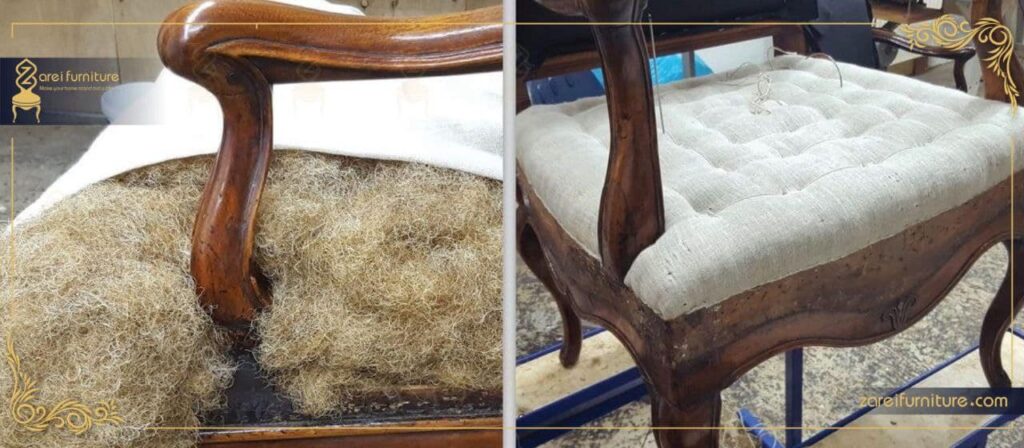
Step 1 – Inspect the Internal Structure
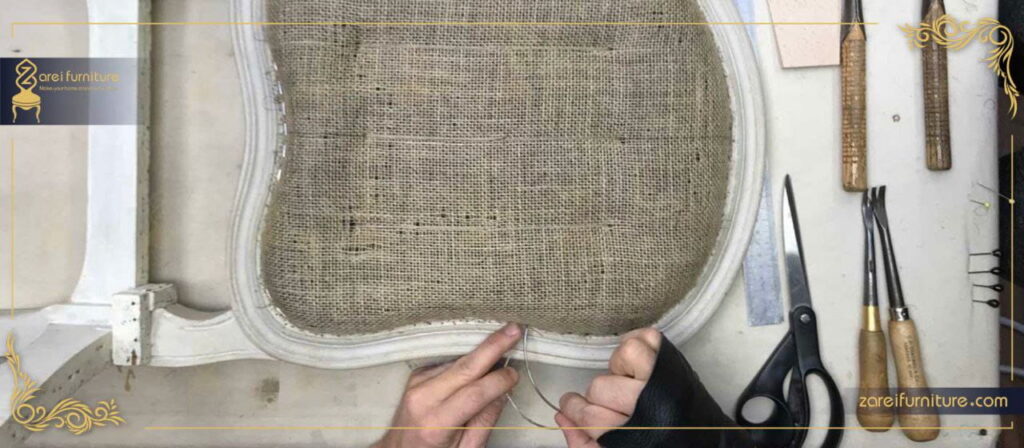
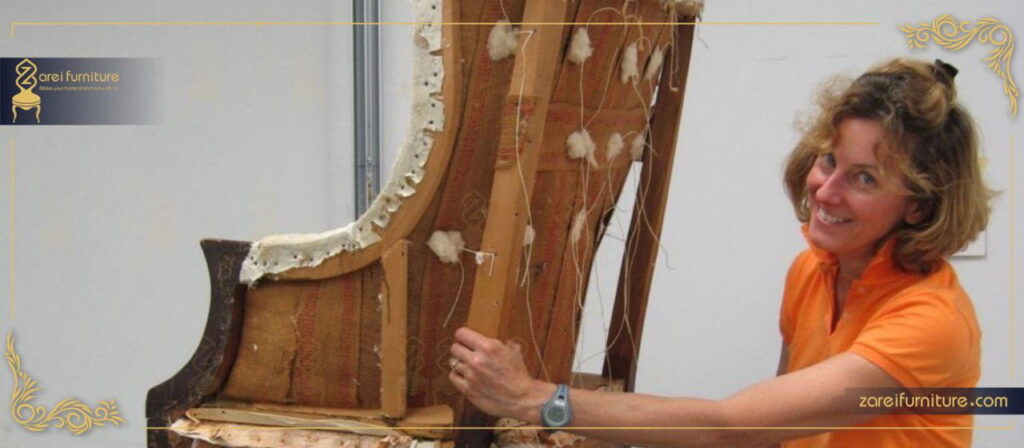
Before replacing foam or fabric, check the wooden frame and springs. Any damage here must be repaired first.
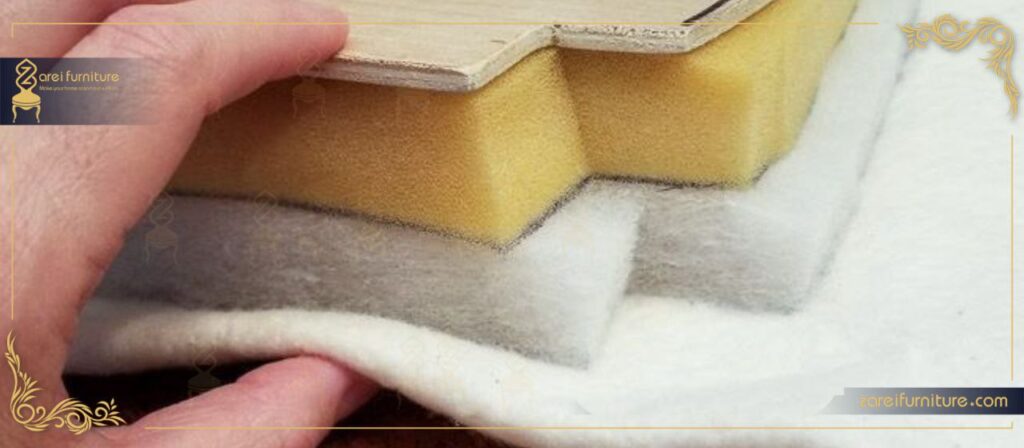
Step 2 – Replace Foam and Cushioning
High-density cold foam is the best option for restoring comfort and durability.
Step 3 – Repair or Replace Springs
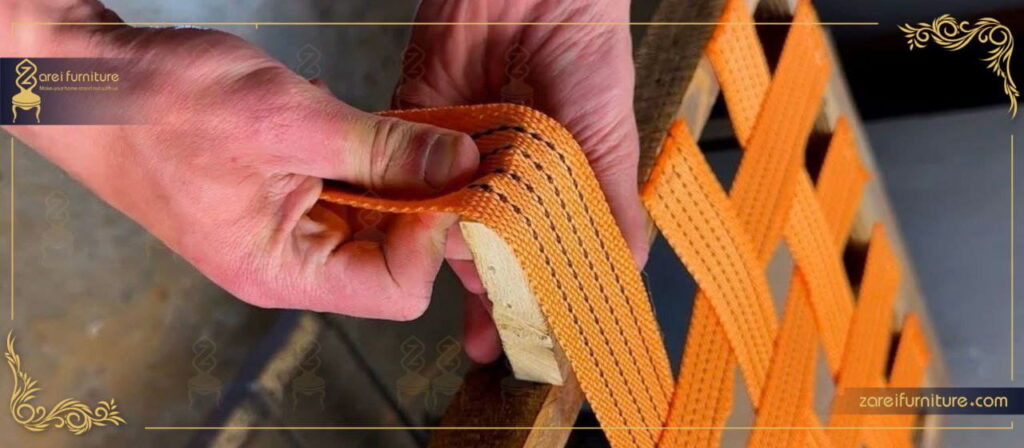
Use zig-zag springs or coil springs depending on the original design. This ensures the sofa retains its authentic style.
Step 4 – Reinforce the Frame
If the frame has cracks, professional carpenters reinforce it with glue, screws, or additional wooden supports.
 Step-by-Step Guide to Repairing Classic Sofa Fabric
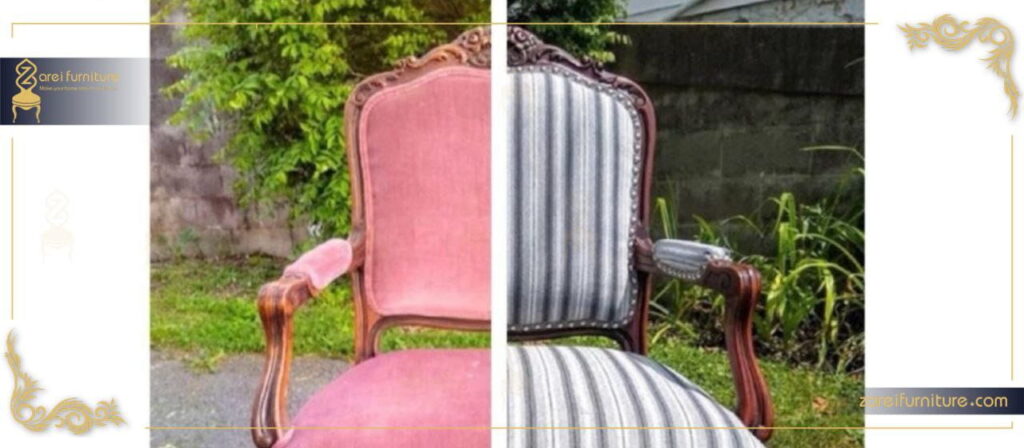
Step 1 – Remove the Old Fabric
Carefully detach the fabric while keeping the patterns for cutting new material.
Step 2 – Select the Right Upholstery Fabric
For classic sofas, the most recommended fabrics are:
- Velvet (luxurious, soft, elegant)
- Chenille (durable with a glossy look)
- Damask (traditional woven patterns, very classic)
- Nano fabrics (modern, stain-resistant, water-repellent)
Step 3 – Cut and Stitch the Fabric
Following the old fabric as a template ensures the new material fits perfectly.
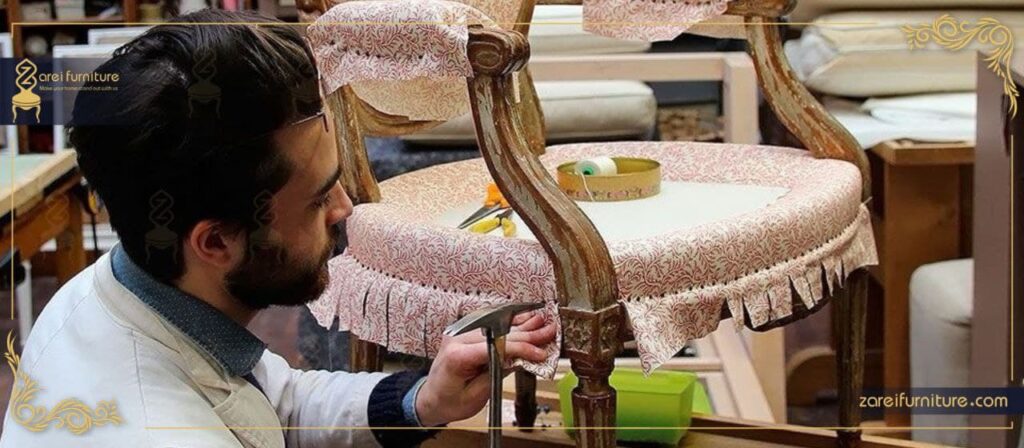
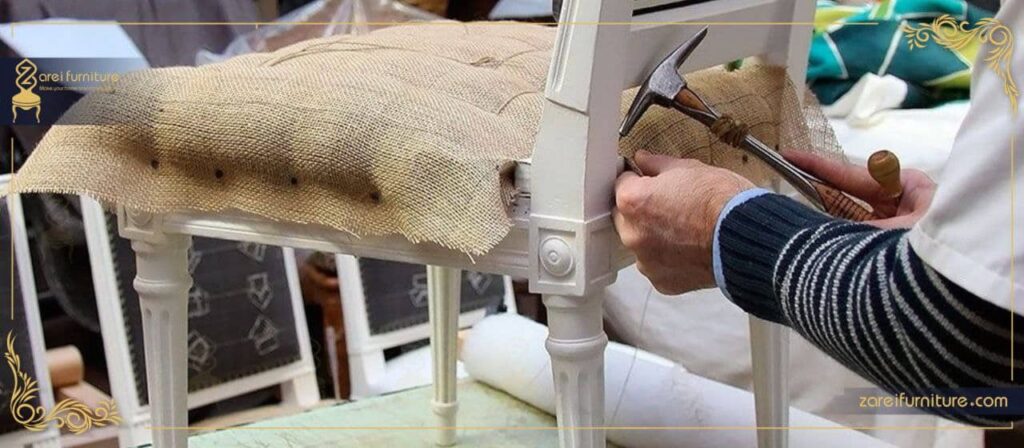
Step 4 – Stretch and Install
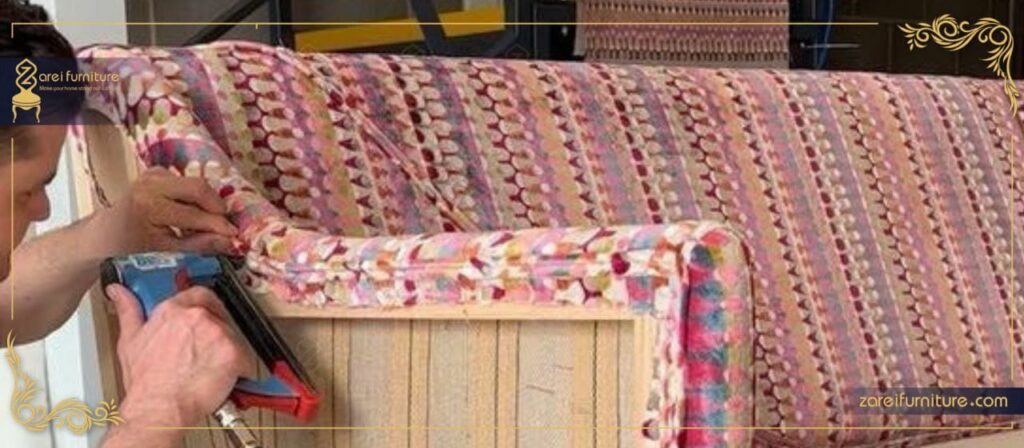
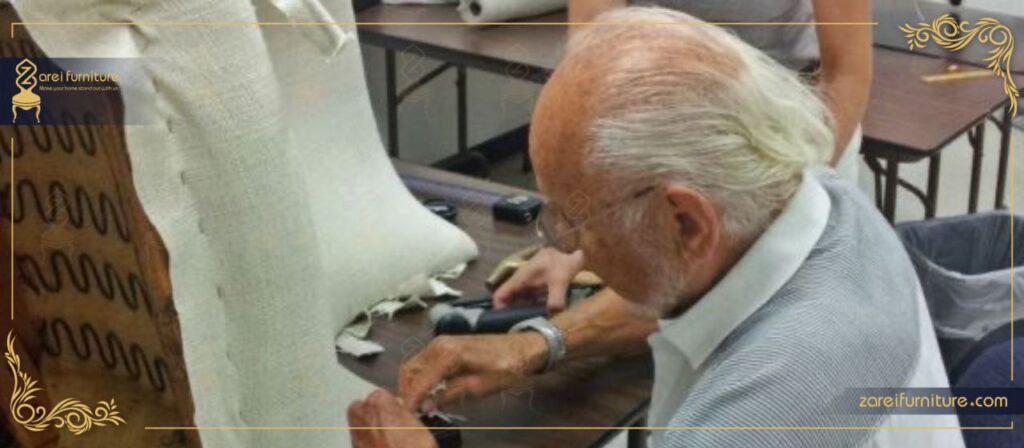
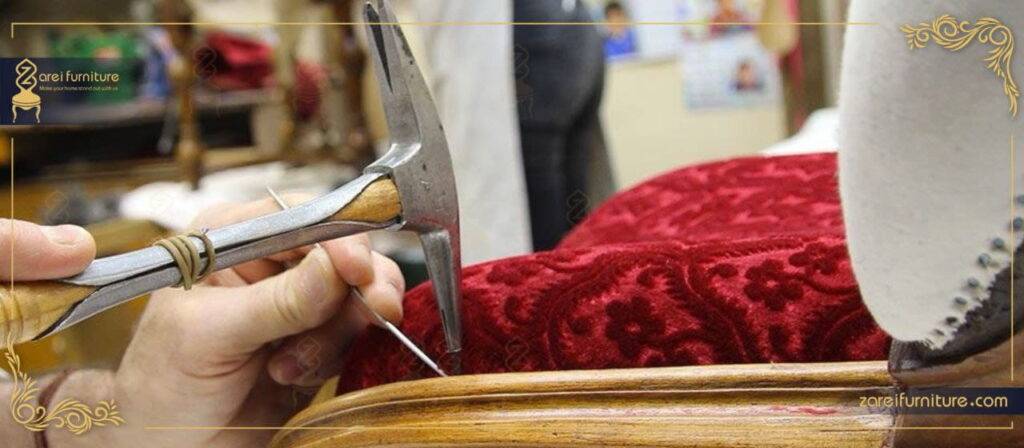
Fabric must be stretched evenly across the frame to avoid wrinkles. A professional upholsterer uses pneumatic tools to ensure tight fitting.
 Tools and Materials Required for Classic Sofa Repair
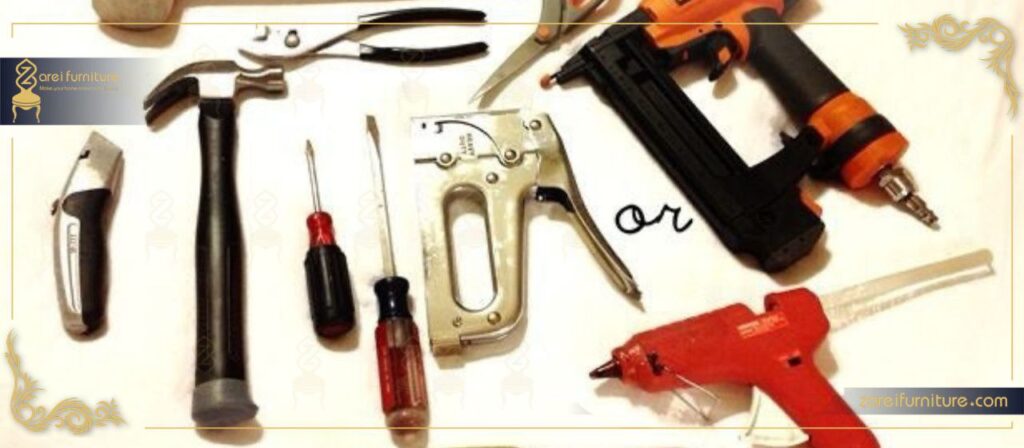
- Upholstery staple gun
- Sharp fabric scissors
- Measuring tape
- Screwdrivers and pliers
- High-density foam
- Replacement springs
- Upholstery needles and threads
- Professional fabric glue
 Challenges in Classic Sofa Repair
Matching Original Style
Finding fabric that resembles the original upholstery can be difficult.
Preserving Carvings and Wood Details
Improper handling may damage delicate carvings.
Balancing Comfort and Authenticity
Modern foam and fabric may improve comfort but slightly alter the original feel of the sofa.
 Case Studies:
Case Study 1 – Restoring a 25-Year-Old Sofa
A family inherited a 25-year-old classic sofa. The seats were sagging, and the fabric was torn in multiple areas.
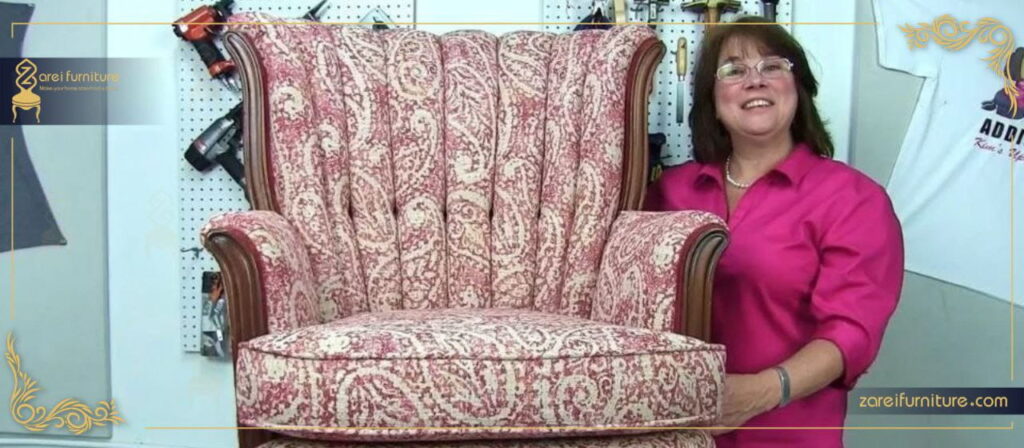
By replacing the foam with cold foam, installing new zig-zag springs, and reupholstering with velvet, the sofa was restored to its original glory.
Case Study 2 – Modernizing a Classic Sofa with Nano Fabric
Instead of traditional velvet, one homeowner chose nano fabric for its durability and stain resistance. The result was a sofa that kept its classical charm while offering modern practicality.
 Cost Breakdown of Classic Sofa Repair
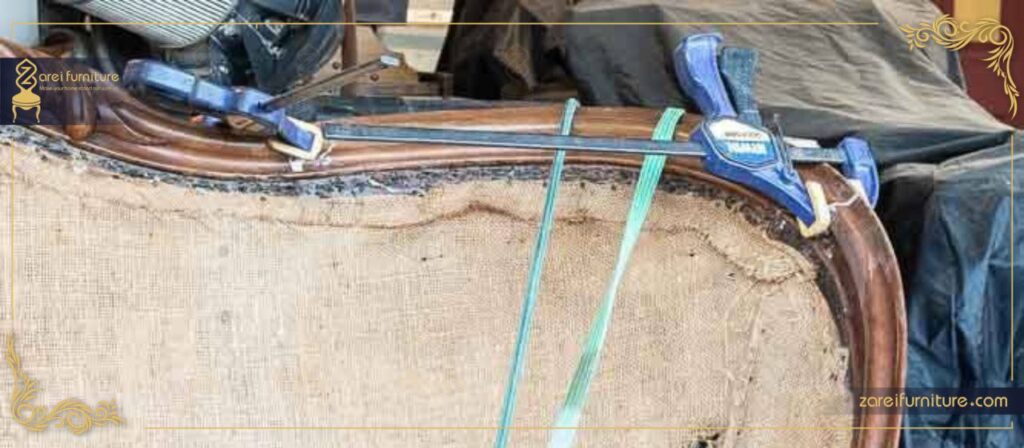
- Foam replacement: 20–30% of total cost
- Fabric replacement: 40–50% of total cost
- Wood reinforcement: 10–20% of total cost
- Professional labor: 20–30% of total cost
Tip from Zarei Furniture: Always request a detailed quotation before starting the repair process.
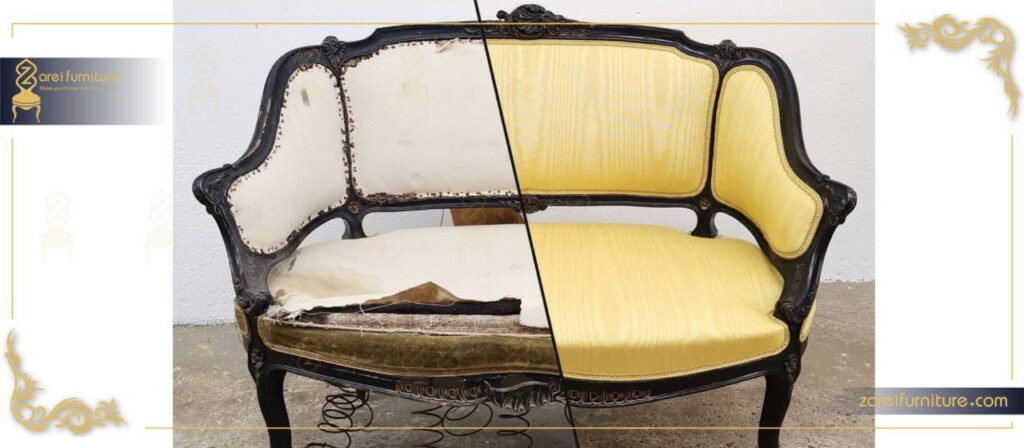 Professional vs DIY Classic Sofa Repair
DIY Advantages
- Lower cost
- Personal satisfaction
DIY Disadvantages
- Requires tools and skills
- Risk of damaging the sofa
- Time-consuming
Professional Advantages
- Expertise in handling delicate details
- Access to high-quality materials
- Warranty and after-service
Professional Disadvantages
• Higher cost compared to DIY
 Advanced Upholstery Techniques for Classic Sofas
Double-Stitch Seams for Durability
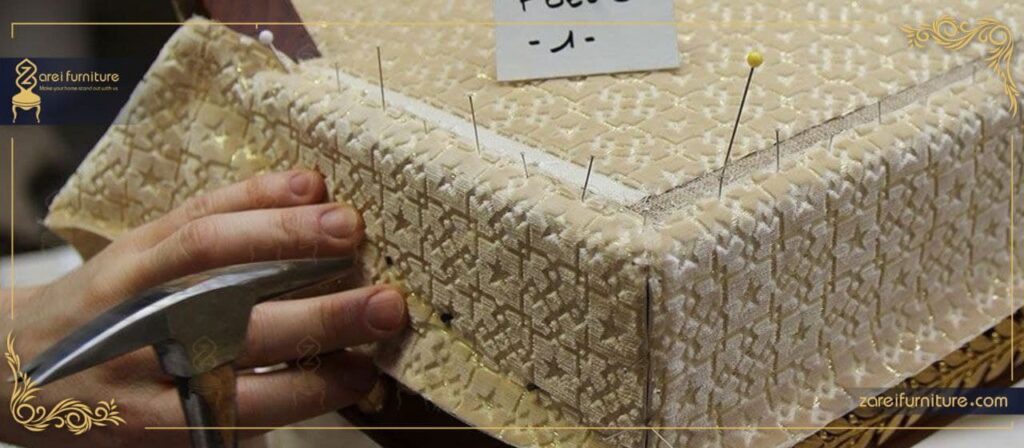
Classic sofas are used daily, so single-stitch seams often tear quickly. Double-stitching the fabric significantly improves longevity.
Piping and Decorative Trims
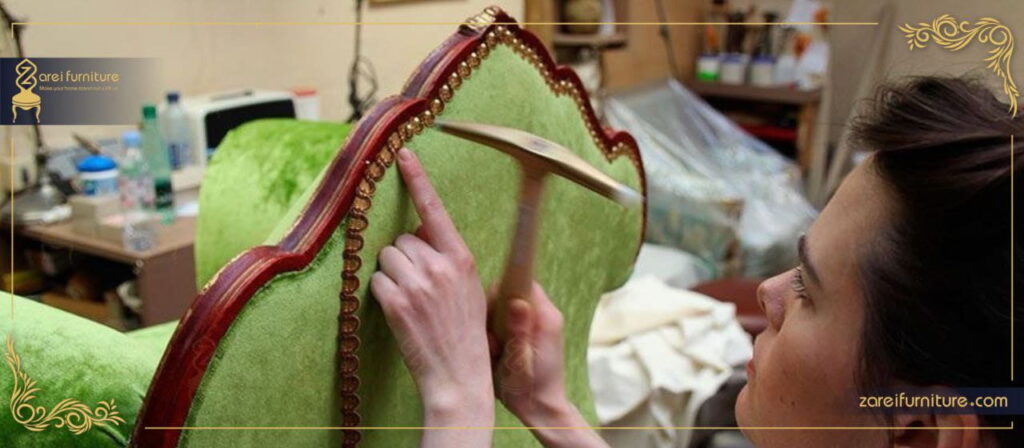
To preserve the luxury feel, many classic sofas include decorative trims. During repair, upholsterers add piping, gold trims, or embroidery to restore elegance.
Button Tufting Restoration
Tufted designs with buttons (common in Chesterfield-style classic sofas) require specialized tools. Replacing buttons with the same fabric ensures authenticity.
 Choosing the Best Fabric for Classic Sofa Repair
When repairing a classic sofa, fabric choice influences not only durability but also the entire mood of the room.
- Velvet: Symbol of luxury, soft and elegant. Best for formal living rooms.
- Chenille: Strong, versatile, slightly glossy. Good for both formal and casual spaces.
- Nano fabrics: Ideal for families with children or pets. Spill-resistant, easy to clean.
- Leather: Rare in classic sofas but can be used to add a royal appearance.
Expert Tip from Zarei Furniture: Combine velvet with nano technology to achieve both elegance and practicality.
Refinishing and Repairing the Wooden Frame
Classic sofas often feature hand-carved wooden arms, legs, and trims. Repairing the frame requires a skilled craftsman.
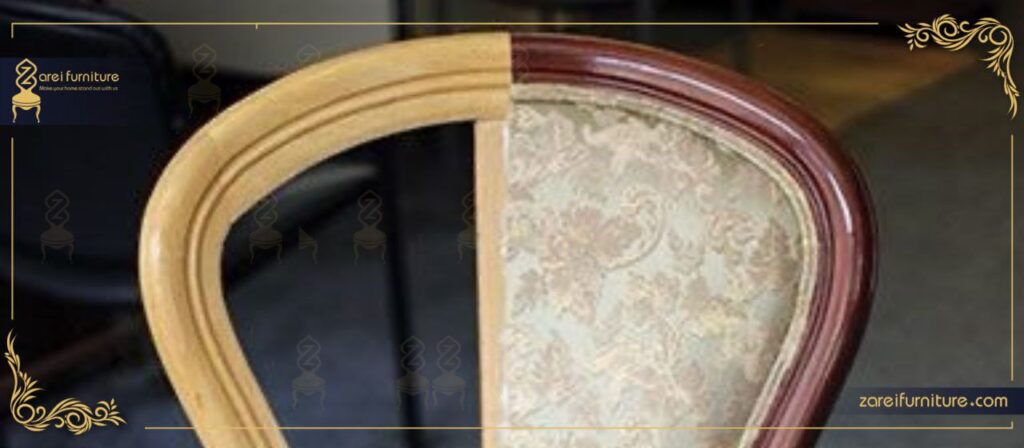
Sanding and Polishing
Worn-out varnish is sanded before applying a new coat of lacquer or polish.
Gilding with Gold Leaf
Some classic sofas feature gold-leaf or silver-leaf designs. Restoration requires precise application to achieve the antique patina.
Repainting in Black Gloss or Antique Gold
Recent trends include glossy black finishes and patinated antique gold, adding a royal look to classic sofas.
 Timeframe for Classic Sofa Repair
- Minor fabric repair: 1–2 days
- Complete reupholstery: 1–2 weeks
- Full structural repair + reupholstery: 3–4 weeks
The timeframe depends on fabric availability, complexity of design, and workshop schedule.
Eco-Friendly Aspects of Sofa Repair
Repairing a sofa reduces furniture waste and saves trees used in wood production. Many eco-conscious families choose repair over replacement to minimize their environmental footprint.
 Customer Testimonials (Inspired by Real Experiences)
Testimonial 1:
“We inherited my grandmother’s classic sofa. The seats had collapsed, and the fabric was torn. After repair at Zarei Furniture, it looked brand new but still had its nostalgic charm.”
Testimonial 2:
“Our sofa was stained and faded after 10 years. Instead of replacing it, we chose repair. The team recommended nano velvet, and it’s both elegant and resistant to spills.”
 Cost Comparison – Repair vs New Purchase
- Repair Cost: $500 – $1,200 (depending on materials)
- New Classic Sofa Cost: $2,000 – $5,000
Repairing is almost always more economical, especially when the wooden frame is still strong.
 Mistakes to Avoid in Classic Sofa Repair
- Choosing the wrong fabric (e.g., thin cotton instead of durable velvet)
- Ignoring the wooden frame issues before reupholstery
- Attempting tufted button repair without expertise
- Using low-density foam, which sags within a year
 Maintenance Tips After Repair
- Rotate cushions every month for even wear
- Keep sofa away from direct sunlight to prevent fading
- Vacuum fabric weekly to remove dust and dirt
- Use fabric protectors to repel spills
 The Role of Professional Workshops
Professional workshops like Zarei Furniture provide:
- Expert upholsterers and carpenters
- Access to premium fabrics
- Customization options (color, trim, finish)
- Warranty and after-sales service
 The Future of Classic Sofa Repair
With growing interest in sustainability, the demand for sofa repair is rising.
Technologies like 3D-printed sofa parts and eco-friendly fabrics will play a bigger role in the future.
 Frequently Asked Questions (FAQ)
Is it worth repairing an old classic sofa?
Yes. Repairing extends the sofa’s life, preserves its style, and is more cost-effective than buying new.
How long will the repair last?
With proper maintenance, a fully repaired classic sofa can last 10–15 more years.
Can I modernize my classic sofa during repair?
Absolutely. You can choose trendy fabrics like nano velvet, or finishes like glossy black and antique gold for a fresh yet classic look.
Conclusion
Repairing a classic sofa with damaged seats and fabric is not just about saving money—it’s about preserving history, elegance, and craftsmanship. From repairing springs to reupholstering with luxurious fabrics, each step requires expertise and care.
At Zarei Furniture, we specialize in restoring classic sofas with attention to detail and royal elegance. Whether you want to preserve its original look or give it a modern twist with trendy finishes, our team of experts is here to guide you.
By choosing repair over replacement, you are not only saving costs but also protecting the environment and honoring traditional craftsmanship.
Zarei Furniture – Where Timeless Classic Meets Modern Luxury.



